2026 retail readiness report title page

Are You Retail Ready for 2026?

We are already deep into planning for 2026, and we know many of you are too.

To support you as you build out your 2026 roadmaps, we have identified the 6 key areas that we believe will define the retail landscape over the next 12 months.

This isn’t just a list of trends; it’s a guide on how to adapt.

Key insights include:

  • The Zero-Click Economy: how the sales funnel is moving from weeks to seconds.
  • The Treat Paradox: navigating the new HFSS reality. 
  • The integrity Crisis: protecting consumer promotions from AI agents.

To discuss the topics in this report, or to plan your Retail Readiness for 2026, please contact us.

1. Retail Media Revolution

Retailers are becoming the new broadcasters. The power has shifted from guessing who sees an ad to knowing exactly who purchased because of it.

Retailer media networks (Nectar360, Tesco Media) are using first-party data to serve ads on connected TV, social media, and the web.

Tesco reports a ROAS of £6.60 for multichannel campaigns vs just £3.80 on other channels. (Tesco Media & Insight)

SUGGESTIONS FOR ACTION

  • Use retailer’s hyper focussed audiences to drive awareness on mass-reach channels like TV.
  • Ensure brand / campaign creative is consistent through-the-line to allow for seamless recognition.

2. Trade Up / Down

The average basket is dead. Consumers are, more than ever, looking for both value and luxury. Brands stuck in the middle without a clear proposition risk losing share.

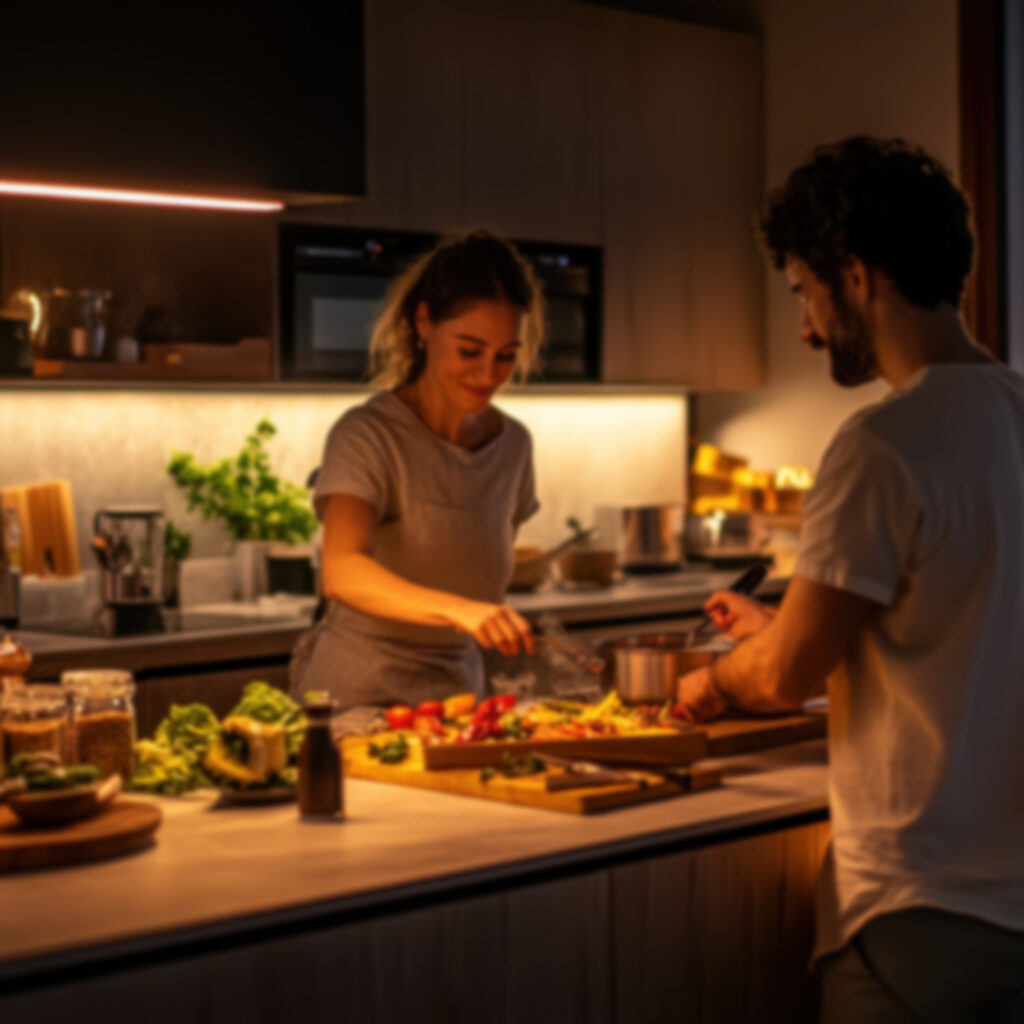
Shopper behaviour is changing, buying budget staples (Own Label) while splashing out on affordable luxuries (Premium Tier) in the same basket. Often choosing to dine in, swapping restaurant meals for premium grocery ranges to save money without sacrificing quality.

46% of consumers report they are cutting back on eating out to spend more on premium “at-home” food experiences. (KPMG Consumer Pulse)

SUGGESTIONS FOR ACTION

  • Reposition as “better than basic” or “cheaper than a takeaway.” Target the “Big Night In”. Don’t just sell a product; sell an occasion.
  • Bundle with complementary categories to rival the cost and convenience of UberEats.

3. AI Ruining Promotions?

A database of 10 verified consumers are worth infinitely more than 1 million bots.

Brands are no longer fighting simple scripts. They are up against autonomous AI agents capable of solving CAPTCHAs, creating realistic personas, and bypassing standard filters to try and harvest high-value prizes (holidays, cash).

Grand Central blocked an estimated 1.5m bot entries across promotional sites in 2025. (2.5k blocked across a 30 day period on one site, approx 50 promotional sites per year.)

SUGGESTIONS FOR ACTION

  • Avoid basic entry mechanics; they are prime targets for brute force attacks. 
  • Use “Proof of Purchase” and 2-Factor Authentication (email / SMS verification) to ensure a human is behind the entry. 
  • Use a specialist provider (such as Grand Central) to enforce layered security before entry acceptance.

4. Know Your HFSS / LHFD

Regulation is forcing a hard pivot. The challenge for 2026 isn’t just compliance; it’s learning how to signal ‘treat’ when you can’t be on the gondola end or on TV before 9pm. 

Store placement bans have already slashed daily HFSS sales by millions of units, and the impending 2026 TV watershed will cut ad reach. In response, brands are aggressively reformulating to reclaim shelf space, driving a surge in non-HFSS variant sales.

2 million fewer HFSS products are sold per day since regulations were introduced. (University of Leeds)

SUGGESTIONS FOR ACTION

  • Disrupt the Aisle. Invest in high-impact “interruptive” media (fins, shelf-stoppers) or cross-merchandise with exempt categories (e.g. placing crisps next to wine) to build compliant secondary displays.
  • Use Retail Media Networks to target “Known Adults”.

5. The Instant-Buy Era

The funnel has collapsed. We are moving from ‘Buy in Store’ to ‘Buy Where You Are’, where discovery and purchase happen in the same heartbeat.

The traditional “Awareness – Consideration – Conversion” model is obsolete on social. On TikTok, a user sees a product and buys it instantly. Younger consumers are bypassing the retailer entirely and using TikTok as a search engine.

40% of Gen Z now prefer using TikTok or Instagram for search instead of Google. (Google Internal Data)

SUGGESTIONS FOR ACTION

  • Translate digital buzz into physical sales with “As Seen on TikTok” call outs.
  • Partner with creators for more than reach, turn them into salespeople with affiliate links and shoppable tags or feature them on in-store comms.
  • Optimise on social with captions and tags that reach younger generations when they search for products.
high-angle-young-woman-spending-time-home-1

6. Get Ready For Kick Off

You don’t need big sponsorship deals to align with the major sporting events this year. The real opportunities are at home, not in the stadia.

The World Cup (Jun / Jul) & Winter Olympics (Feb) in 2026 will create a massive spike in TV viewership and sharing occasions. The US hosting the World Cup, means UK evening kick-offs, likely to drive a surge in home consumption.

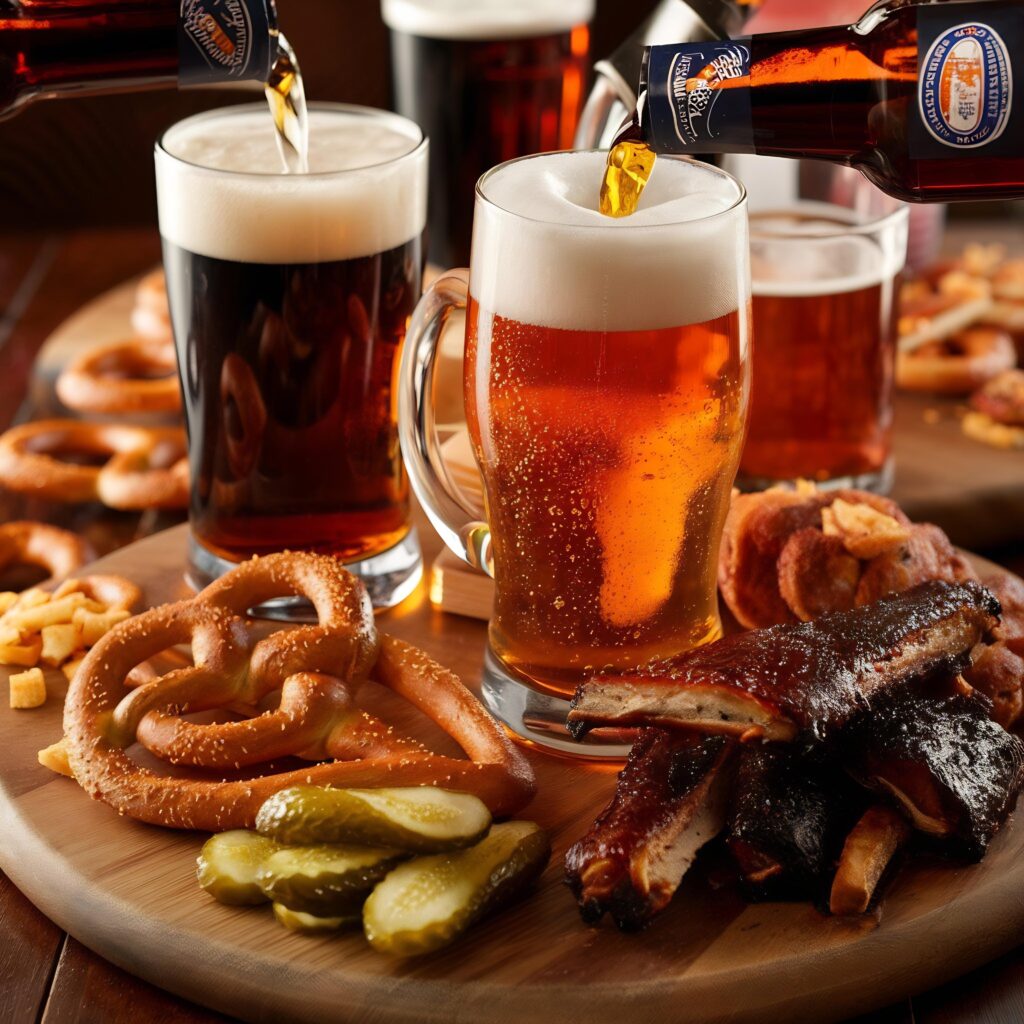
During the 2024 Euros, key category sales (beer, snacking, frozen) increased by 18%. (Reapp.uk)

SUGGESTIONS FOR ACTION

  • Create package deals (e.g. Pizza + Beer + Snacks) timed specifically for evening kick-offs and advertise offers on Q-Comm (Uber Eats/Deliveroo) pre-match.
  • Own the occasion and behaviour. Build campaigns focussed on Hosting, Pre-Match Rituals, or Cheering on the Team.